How Do Police Determine Fault in an Accident
Police piece together fault from the scene, the statements, and the physical evidence, then write an opinion, not a legal verdict.
Free to compare
What actually shapes the officer's opinion
- Physical evidence at the scene Skid marks, final rest positions, and damage patterns often matter more than what either driver says. Don't move anything you don't have to before the officer arrives.
- Statements from both drivers The officer compares your account to the other driver's and to any witnesses. Stick to what you actually saw and felt, not guesses about speed or blame.
- Traffic laws that applied Whoever broke a specific rule, like running a light or following too close, usually gets the larger share of fault. Know which laws applied to your road and situation.
- Witness accounts An independent witness carries weight because they have no stake in the outcome. If someone stopped to help or saw it happen, get their contact information before they leave.
- Citations issued at the scene A ticket written to one driver signals the officer's view but isn't the final fault decision. Insurers and courts can still reach a different conclusion later.
The short version
Police fault decisions come from evidence, statements, and the laws that applied, but the report is an opinion, not a ruling. Insurers often weigh it heavily, yet they can disagree with it. Your move now is to document everything at the scene and get the report once it's filed.
A rear-end crash that wasn't as simple as it looked
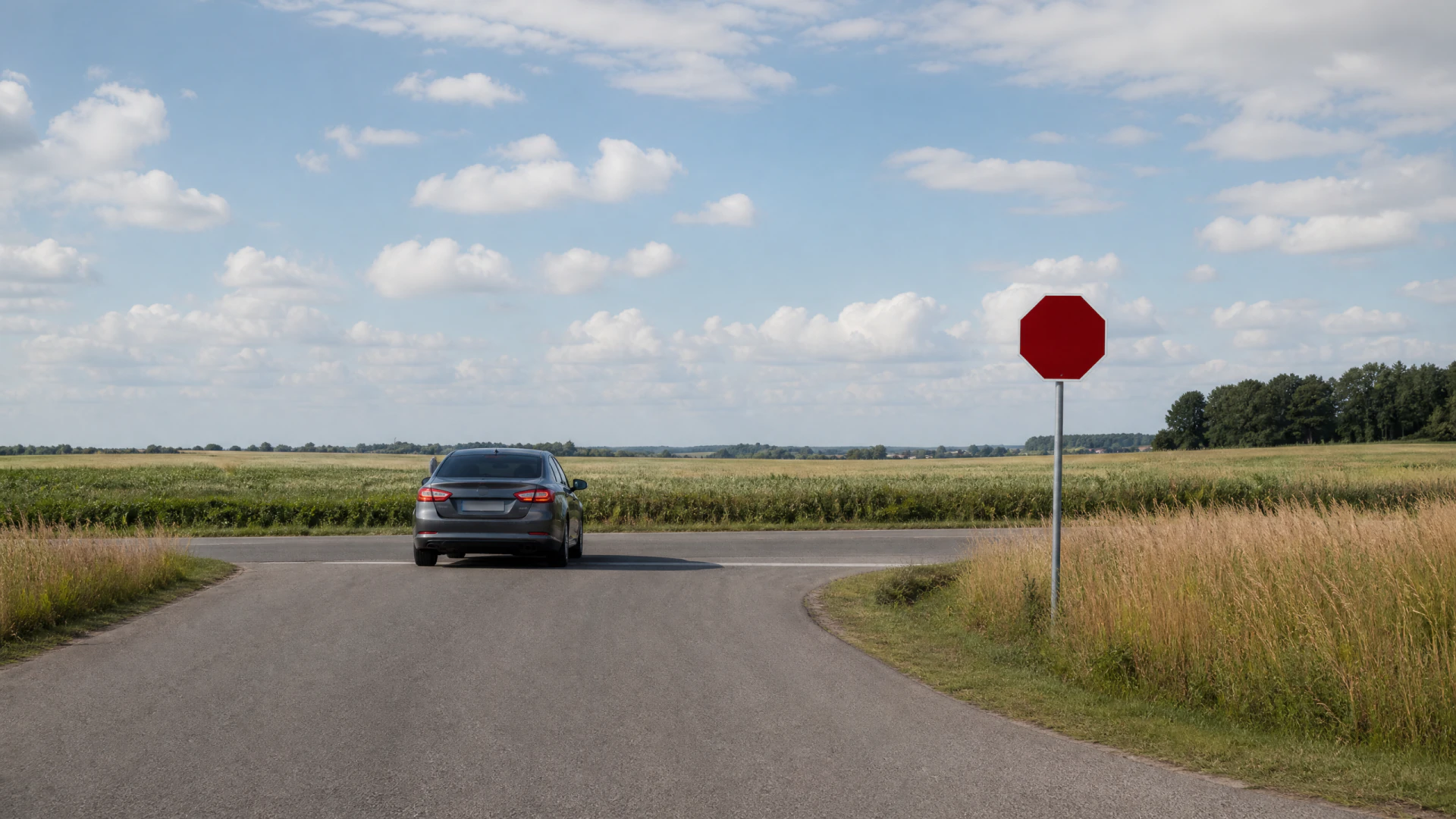
You were stopped at a light when the car behind hit you. The other driver told the officer you braked suddenly for no reason. You told the officer the light had just turned red. The officer looked at where the vehicles stopped, checked for skid marks, and asked a witness in the next lane what she saw.
The witness confirmed the light had changed well before impact, and there were no marks suggesting you braked hard or unexpectedly. The officer noted the rear driver following too closely for conditions and wrote the report assigning fault to them. The other driver's insurer still asked for your statement and photos before settling, because they weren't bound by the officer's conclusion. Having your own photos of the intersection and the witness's number made that process faster and kept the outcome from being questioned.
Once you know how fault gets decided, compare quotes so your coverage matches what actually happened.
Whether you gather your own evidence at the scene
If you do
You take photos of vehicle positions, damage, and the road itself, and you get names and numbers from any witnesses. If the officer's report gets challenged later, or an insurer reads it differently, you have your own record to back up what happened and push back on an unfair split.
If you don't
You rely entirely on the officer's report and whatever the other driver remembers telling them. If details get missed or the other side's account shifts later, you have nothing of your own to point to, and arguing against a report you didn't help build gets harder the more time passes.
Why the report carries weight but isn't the final say
An officer's job at the scene is to restore order and document what they can observe, not to resolve a legal dispute. They look at the physical evidence because it doesn't change its story later the way people sometimes do. Skid marks, damage, and final positions tend to be more reliable than memory, especially right after a crash when everyone is shaken and adrenaline is high.
Statements still matter because they fill in what the evidence alone can't explain, like who had the green light or who signaled first. The officer weighs these against each other and against any traffic laws that were broken, since violating a specific rule is one of the clearest signals of fault that exists. This is why a citation at the scene often lines up with how fault eventually gets assigned, though it isn't guaranteed to.
The report ends up as an informed opinion, not a court ruling, because officers aren't present for the whole event and can't verify everything independently. Insurers use it as a starting point, sometimes a heavily weighted one, but they run their own investigation too, especially when money or injuries are significant. They can and do reach different conclusions than the report, particularly when new evidence turns up afterward.
What changes the outcome most is evidence that comes in after the officer leaves, new witnesses, surveillance footage, or a more detailed look at the vehicles. Rules about how much weight a police report carries in a dispute, and whether it's even admissible in court, vary by state, so check what applies where you were in the accident.