What Happens if You Cannot Pay a Subrogation Claim
If you can't pay, the insurer can sue and get a judgment that threatens your license and wages longer than the debt itself.
Free to compare

What actually happens when you can't pay
- The insurer keeps asking first They'll send letters and calls before taking legal action, because lawsuits cost them time and money too. Use this window to negotiate or set up a payment plan rather than ignoring it.
- A lawsuit can lead to a judgment If you don't respond or pay, they can sue you and get a court judgment against you. Once that happens, they can pursue your wages or bank account depending on your state's rules.
- SR-22 stays separate from this The claim debt and your SR-22 filing are different things, but an unpaid judgment can sometimes affect your license too. Check your state's DMV rules so you know exactly what's linked.
- Settling for less is possible Insurers frequently accept a lower lump sum or a structured plan rather than chase the full amount through court. Call them directly and ask, because they rarely offer this unprompted.
- Ignoring it makes things worse Unpaid judgments can grow with interest and stay on your record for years. Dealing with it early, even partially, costs you less than letting it sit.

A driver who owed more than they could pay
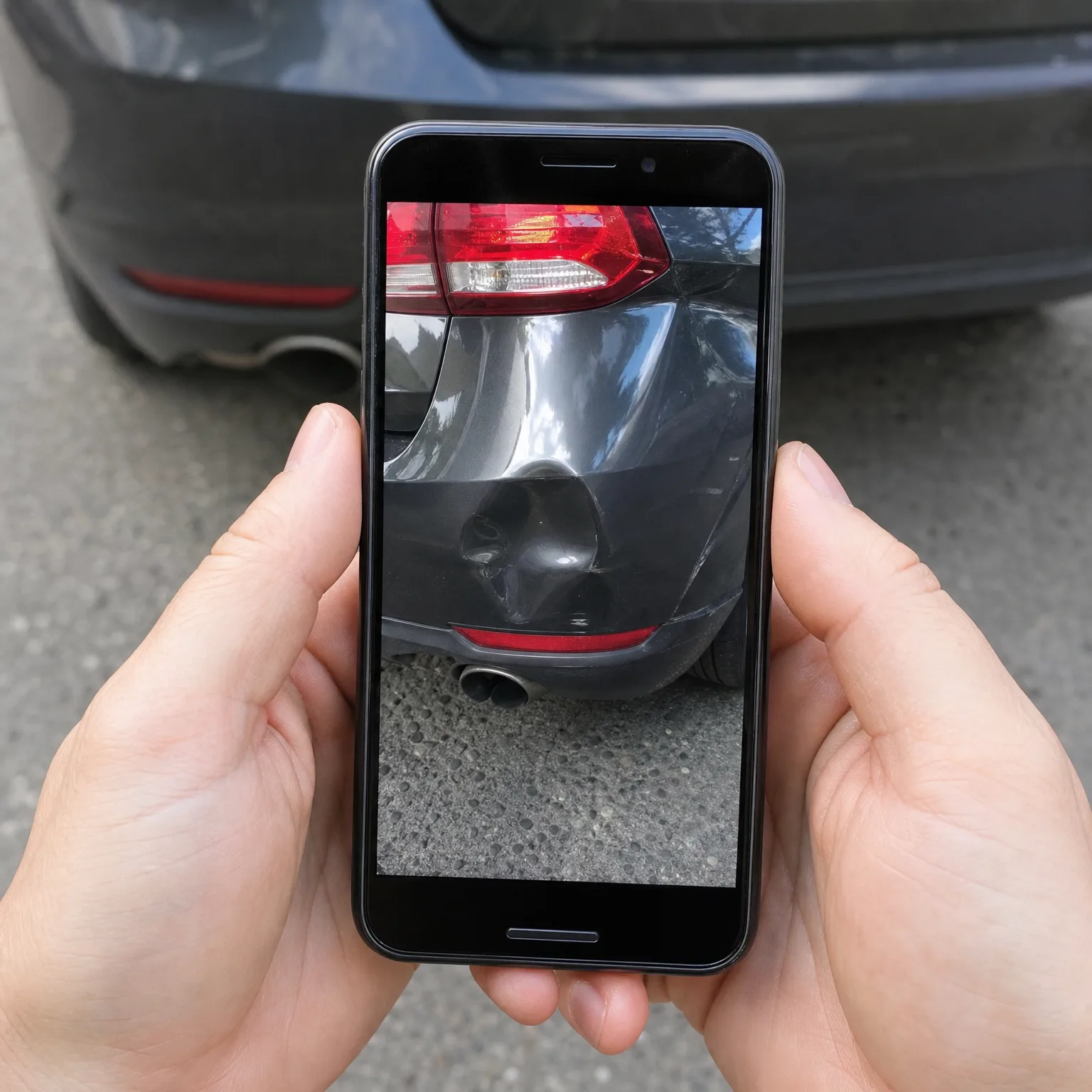
Someone was in an accident while uninsured and caused damage to another car. The other driver's insurer paid for the repairs, then sent a subrogation letter demanding reimbursement. The amount was more than the driver could pay at once, so they panicked and didn't respond for a few months.
Eventually they called the insurer's claims department directly, explained their situation, and asked about a payment plan. The insurer agreed to smaller monthly payments instead of pursuing a lawsuit right away, since it cost them less than taking the driver to court. The driver kept up the SR-22 insurance requirement separately through a new policy, and after the plan was paid off, the subrogation claim was closed. The lawsuit never happened, but it stayed a real possibility the entire time they didn't respond.
Once your SR-22 is sorted, compare quotes to find coverage that keeps both your insurance and your finances on track.
Why unpaid claims turn into legal problems
Subrogation happens because an insurer paid out money on your behalf, even though you caused the damage. They have a legal right to recover that money from you, separate from any criminal or license consequences you're already facing. This is a civil debt, not a criminal one, but it behaves like other unpaid debts if you don't address it.
Insurers prefer to settle rather than sue, because lawsuits take time and aren't guaranteed to pay off even when they win. That's why many are willing to negotiate a smaller amount or a payment plan if you reach out first. Silence is what pushes them toward legal action, since it looks like you have no intention of paying at all.
If a lawsuit does happen and they win, the court judgment becomes a separate legal tool they can use to collect through wage garnishment or liens, depending on what your state allows. This is different from your SR-22, which exists to prove you're currently insured, not to track outstanding debts. But some states do link unresolved judgments from accidents to license consequences, so it matters to know your state's specific rules.
The cases where it works out differently usually involve people who negotiate early or who have very little the insurer can realistically collect from. Insurers weigh the cost of pursuing you against what they'd actually recover, so modest, consistent payments often resolve things faster than people expect.
Your silence isn't read as being broke. It's read as refusing to pay, and that's what makes them escalate.
Can a subrogation claim affect my SR-22 or license directly?
Usually not directly, since your SR-22 proves current insurance and the subrogation claim is about past damage you owe. They're handled by different parts of the system, and paying one doesn't automatically satisfy the other.
But if the claim turns into an unpaid court judgment, some states do connect that to your driving privileges, especially if the judgment stems from an accident. This varies a lot by state, so check with your state's DMV or motor vehicle department to see if unresolved judgments can suspend your license on top of the SR-22 requirement you already have. If that connection exists where you live, resolving the claim becomes more urgent than it might otherwise seem.